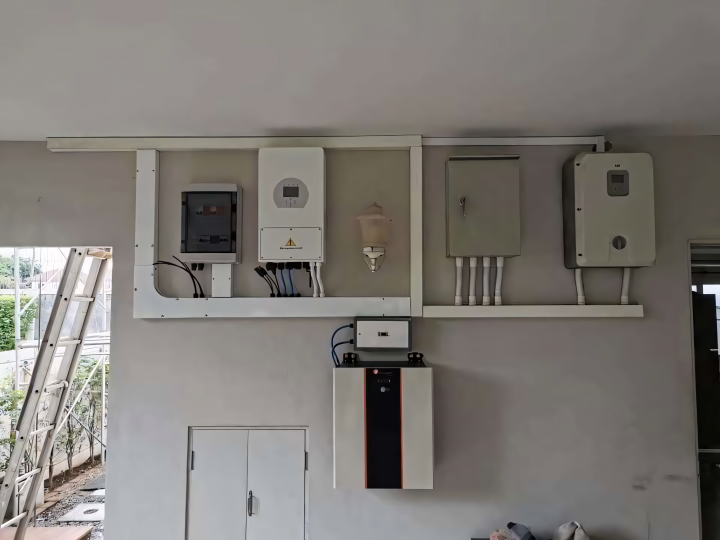
A three-phase inverter is an essential component in modern electrical systems, especially in renewable energy and industrial energy management applications. This component has the critical duty of switching direct current and converting it into alternating current in three phases for effective power distribution and usage. Here we look at how three-phase inverters work, the types of uses they can be put to, and why they are favored by many for the roles they are intended to be used for and the type of results they deliver.
The basics of a three-phase inverter
What is a three-phase inverter?
A three-phase inverter is an electronic device that converts direct current power normally derived from solar panels or batteries into three-phase alternating current power. The three phases of migration, marked Phase A, Phase B and Phase C, are equidistant at 120 degree intervals. The above balanced system produces adequate and consistent power transfer, particularly in industrial and commercial operations.
How does a three-phase inverter work?
Input conversion
An inverter takes DC power from some source, including photovoltaic panels or a battery storage system. This DC input is taken to a power electronic converter circuit, which can be an IGBT or MOSFET converter circuit. All of these components have a vital function of toggling and/or varying power in the switch solution.
Pulse Width Modulation (PWM)
To achieve the desired AC output, the inverter employs pulse width modulation (PWM). This technique creates a series of voltage pulses that mimic the sinusoidal waveform of AC power. By adjusting the width of these pulses, the inverter ensures precise voltage and frequency control.
Output filtering
The modulated voltage pulses are filtered using passive circuits, typically inductance and capacitance circuits. This stage refines the waveform to the desired sine wave output of a three-phase AC supply form for driving motors, grids and other appliances.

Three-phase inverter applications
Renewable energy systems
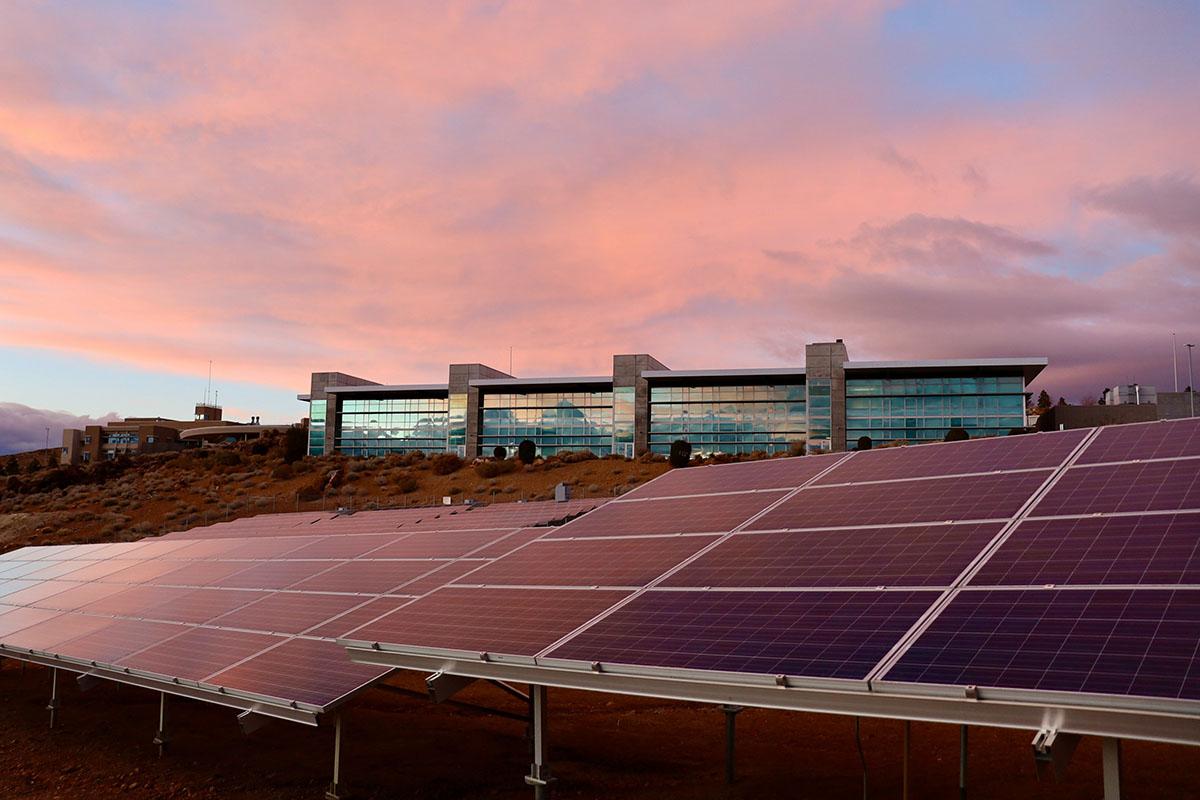
In solar and wind energy installations, three-phase inverters are important to connect the generated energy to the electrical grid. They make it easier to meet voltage and frequency standards within the grid so that power can be distributed.
Industrial automation
It is most used by industries in the execution of machinery, engines and production lines. Three-phase inverters help provide power stability as a basis for good, continuous performance in various operations.
Electric Vehicles (EV)
Electric vehicle charging stations and onboard power systems often use three-phase inverters to manage the flow of power between batteries and drive systems, ensuring optimal performance.
Advantages of using a three-phase inverter
- Improved Efficiency: Single-phase systems have energy losses, and three-phase systems are known to transfer energy effectively.
- Improved Reliability: The ability to seamlessly split the load also reduces voltage variations, making connected devices last longer.
- Cost-effective for large loads: Three-phase inverters are the most suitable types of inverters that can be used in high-power systems, reduce operating costs in industries.
- Scalability – means these inverters can be smoothly integrated into growing power systems, making them progeny-proof.
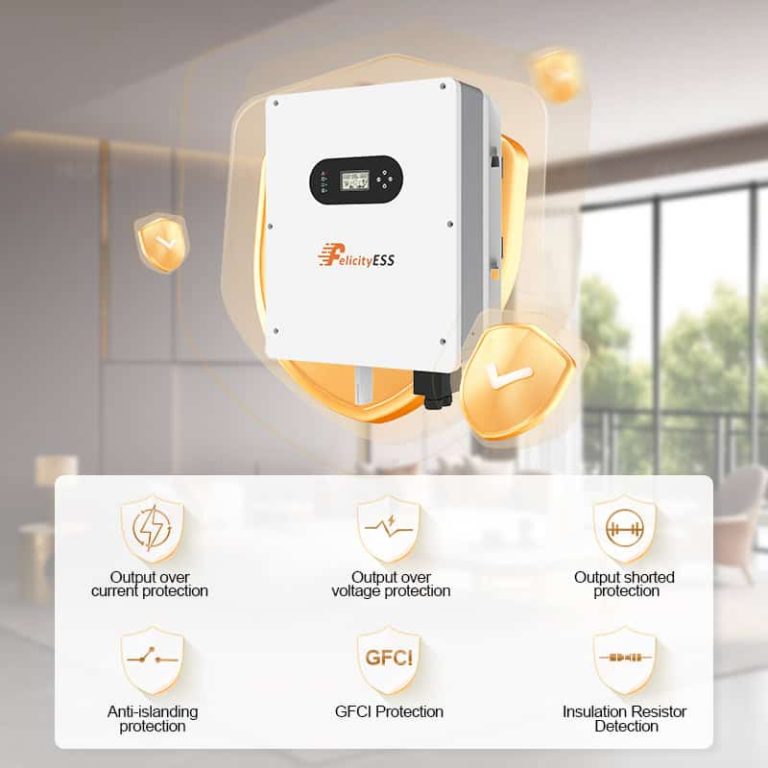
Why choose Felicityess three-phase inverters?
- Advanced PWM Technology: We employ modern pulse width modulation methods to provide an accurate waveform in our inverters.
- High Efficiency: Using our inverters, the inconversion efficiencies are above 98%.
- Robust build quality: Designed to maintain their shape for a considerable period, they withstand important environmental conditions.
- Compliance with European energy standards: Fully compatible with EU renewable energy policies and grid integration requirements.
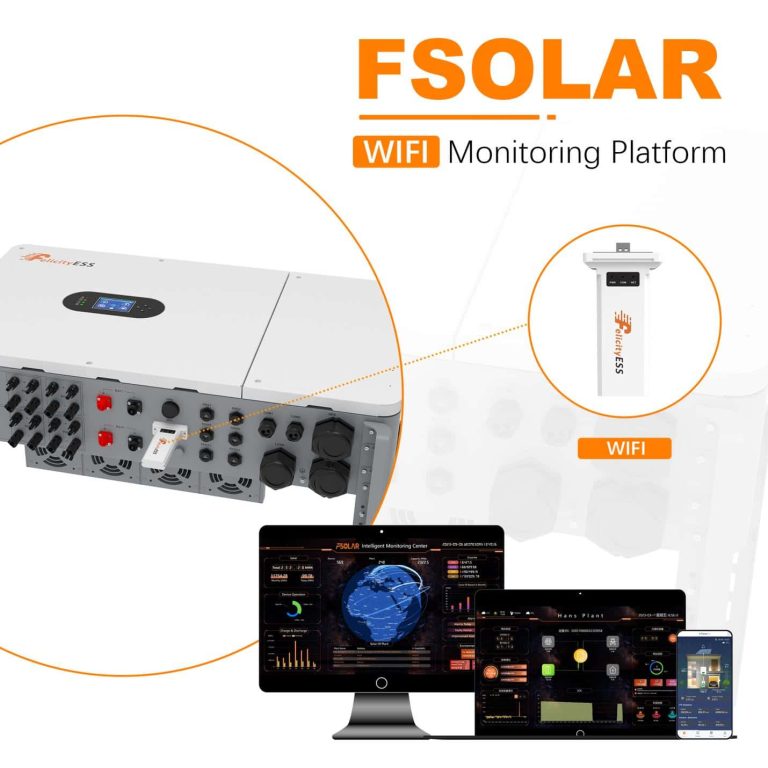
- Smart Monitoring: Equipped with IoT-enabled features, our inverters offer real-time performance monitoring and diagnosis.
Conclusion
Therefore, it is useful to recognize the operating theories and pros of three-phase inverters for use by businesses and end users. To meet the highly diverse needs of our customers in modern energy fields, we offer and develop sophisticated solutions, which are highly reliable, efficient and globally compatible.